What is a Marine Cable and its Importance in the Marine Industry?
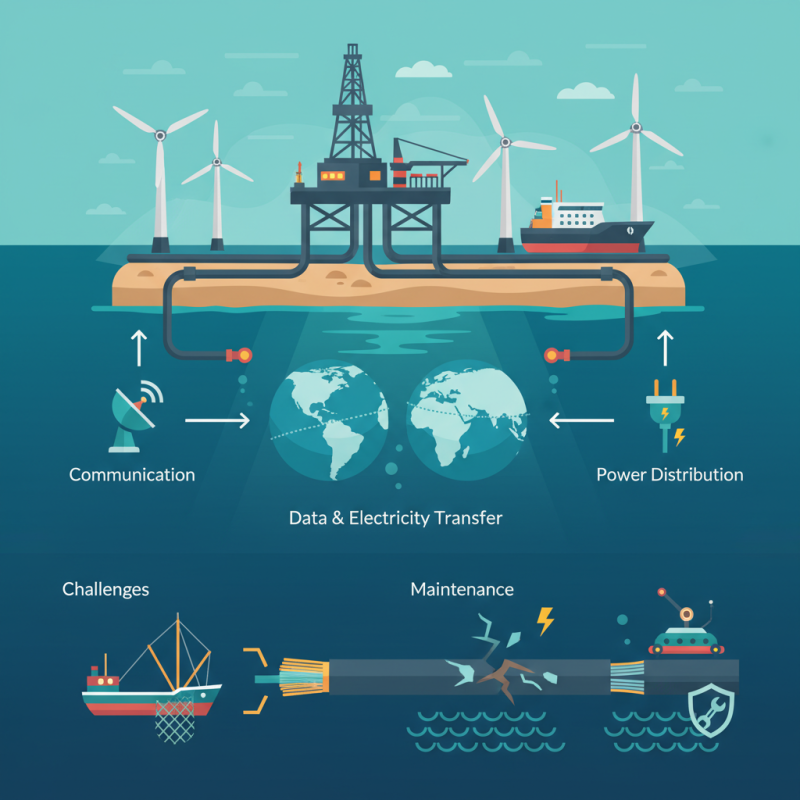
Marine cables play a vital role in the marine industry. These cables are essential for communication and power distribution. They connect various offshore installations, such as oil rigs and wind farms, to the mainland. Without efficient marine cables, many maritime operations would face serious challenges.
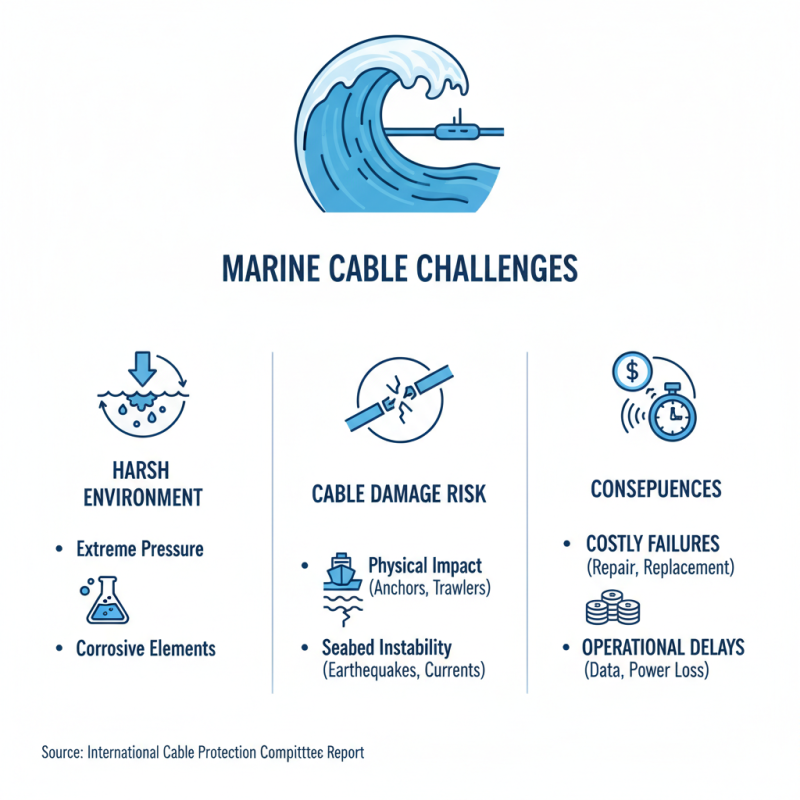
The importance of marine cables extends beyond just connectivity. They enable the transfer of data and electricity across vast distances. This ensures that maritime activities can operate smoothly. However, the design and installation of these cables are not without issues. There are risks such as damage from fishing activities or natural elements.
Each marine cable must be carefully monitored and maintained. Investing in these cables could have long-term benefits. But sometimes, the costs and risks involved lead to tough decisions. One might wonder if enough attention is paid to their safety and maintenance. Ensuring the integrity of marine cables is crucial for the industry's future.
Definition and Classification of Marine Cables
Marine cables play a crucial role in the marine industry. They serve various functions, including communication, power transmission, and data transfer. Understanding their types and classifications is essential for effective utilization.
Marine cables can be categorized based on their application. Power cables are used for supplying electricity to offshore platforms or ships. Communication cables enable seamless information transfer between vessels and land. Fiber optic cables are also significant, facilitating high-speed data transmission under water.
Different environments require different designs. Some cables are armored for protection against harsh sea conditions. Others are designed to withstand extreme changes in temperature and pressure. Each type serves a unique purpose, but choosing the right one is challenging. Mistakes can lead to failures. Understanding the environment and application is critical. It’s a complex balance that requires experience and knowledge.
Key Components and Structure of Marine Cables
Marine cables are crucial in the marine industry. They facilitate communication, power transmission, and data transfer underwater. Understanding their structure helps us appreciate their role.
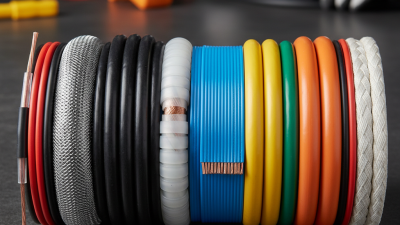
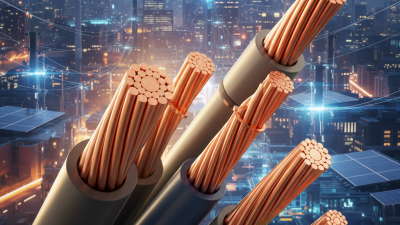
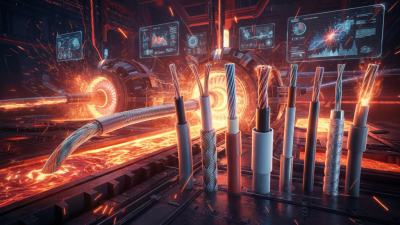
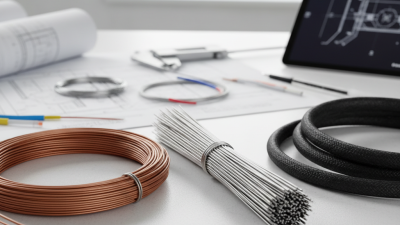
Marine cables consist of several key components. The core typically includes copper or aluminum conductors, providing excellent electrical conductivity. Surrounding this core is insulation material, protecting the cable from water damage. An outer sheath offers additional protection against physical damage. Often, these cables are armored to withstand harsh marine environments.
The design of marine cables must adapt to various conditions. For instance, cables used in deep-sea applications are different from those near the shore. Durability is vital. However, over time, some cables show signs of wear and tear. Continuous monitoring is crucial. Identifying potential issues early can prevent failures and costly repairs. The marine industry relies heavily on these cables, yet challenges persist. Understanding their components can help ensure their longevity and reliability.
Importance of Marine Cables in the Marine Industry
Applications of Marine Cables in the Marine Industry
Marine cables play a crucial role in various applications within the marine industry. These cables are designed to withstand harsh underwater conditions. They are used for power transmission, communication, and data transfer. Their insulation and structuring ensure durability in extreme environments.
One major application is in offshore energy projects. Wind farms rely on marine cables to connect turbines to the grid. These cables must endure saltwater exposure and underwater currents. Another application is in underwater communication systems. Submarine cables facilitate global internet connectivity. They transmit vast amounts of data quickly and reliably.
However, challenges exist. Installation can be complex and costly. Maintenance of existing cables is often neglected, which can lead to outages. These issues need addressing for optimized functionality. Understanding these aspects can help improve performance in marine cable applications.
What is a Marine Cable and its Importance in the Marine Industry? - Applications of Marine Cables in the Marine Industry
| Application |
Description |
Importance |
| Telecommunication |
Marine cables are used for transmitting voice, data, and internet services across oceans. |
Essential for global communication and connectivity. |
| Power Transmission |
Cables convey electrical power from offshore wind farms or oil rigs to the shore. |
Crucial for renewable energy distribution and energy supply stability. |
| Subsea Sensors |
Marine cables connect various sensors used for monitoring oceanographic conditions. |
Important for scientific research and environmental monitoring. |
| Remote Operated Vehicles (ROVs) |
Cables deliver power and data to ROVs for underwater exploration and maintenance. |
Vital for offshore oil and gas operations as well as underwater repairs. |
| Aquaculture |
Cables support feeding systems and monitoring equipment in aquaculture farms. |
Enhances productivity and sustainability of fish farming. |
Environmental Impact and Sustainability of Marine Cables
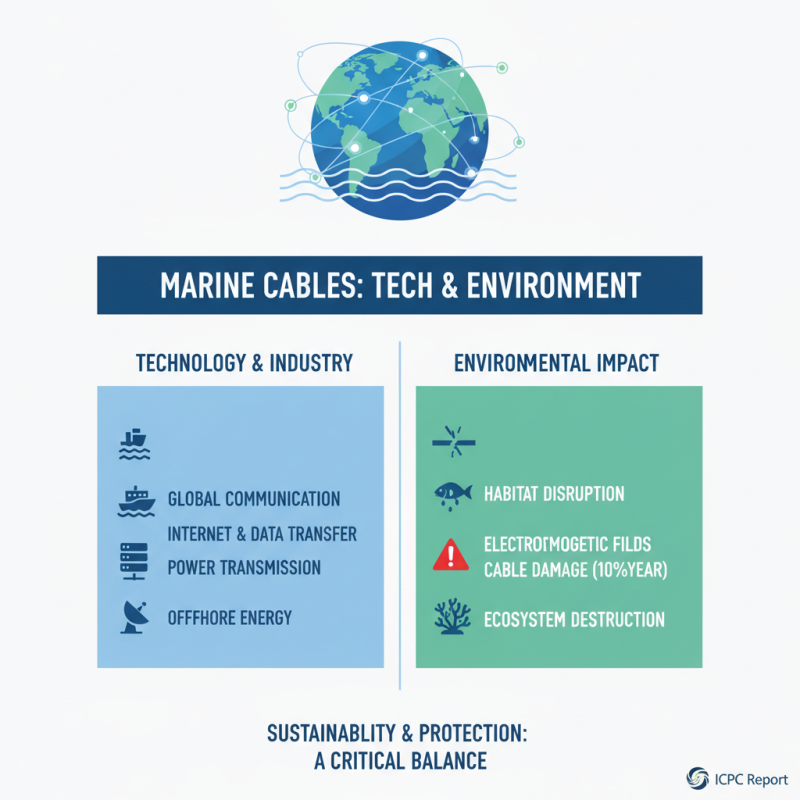
Marine cables play a crucial role in the marine industry, influencing both technology and the environment. However, their environmental impact raises important questions. For instance, according to a report from the International Cable Protection Committee, nearly 10% of undersea cables suffer damage each year, which can lead to significant marine ecosystem destruction.
The production and installation of marine cables often generate carbon emissions. A study by the Global Carbon Projects indicates that cable installation can contribute to 25-30% of greenhouse gas emissions in underwater projects. This highlights the need for sustainable practices in marine cable production. New materials and installation techniques could reduce emissions and minimize marine disturbances.
Monitoring the long-term effects of marine cables is essential. They can alter marine habitats, affecting species diversity and abundance. Research shows that cables can create artificial reefs, but they also risk disrupting existing ecosystems. More comprehensive studies are necessary to balance technological advancements with environmental sustainability.