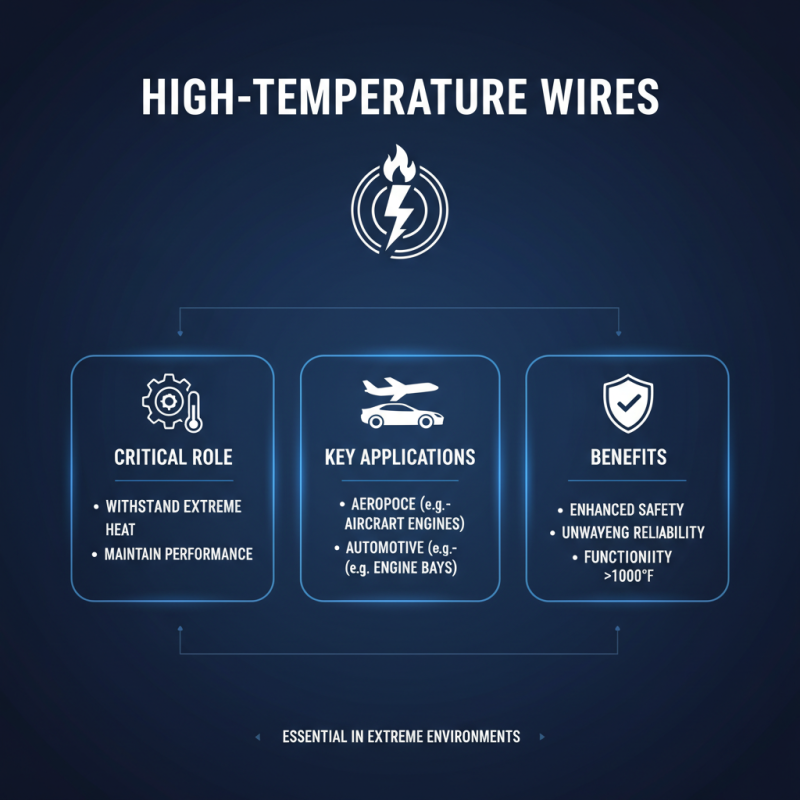
High temp wire is essential for many industries exposed to extreme heat. According to a report by the National Electrical Manufacturers Association, these wires can withstand temperatures reaching 200°C and beyond. With the increasing demand for reliable wiring in harsh environments, selecting the right high temp wire is crucial.
Expert insights highlight the importance of choosing the best materials. Dr. Jane Thompson, a specialist in high-temperature applications, states, "The right high temp wire can enhance safety and reliability in extreme conditions." This underscores the critical role that these wires play in maintaining performance under stress.
In high-heat environments like aerospace and automotive sectors, the wrong choice can lead to failure. Many manufacturers struggle with the complexities of high temp wire selection. Innovations continue to evolve, yet gaps in understanding remain. Identifying the top 10 high temp wire options is not just beneficial; it is necessary for survival in these challenging settings.
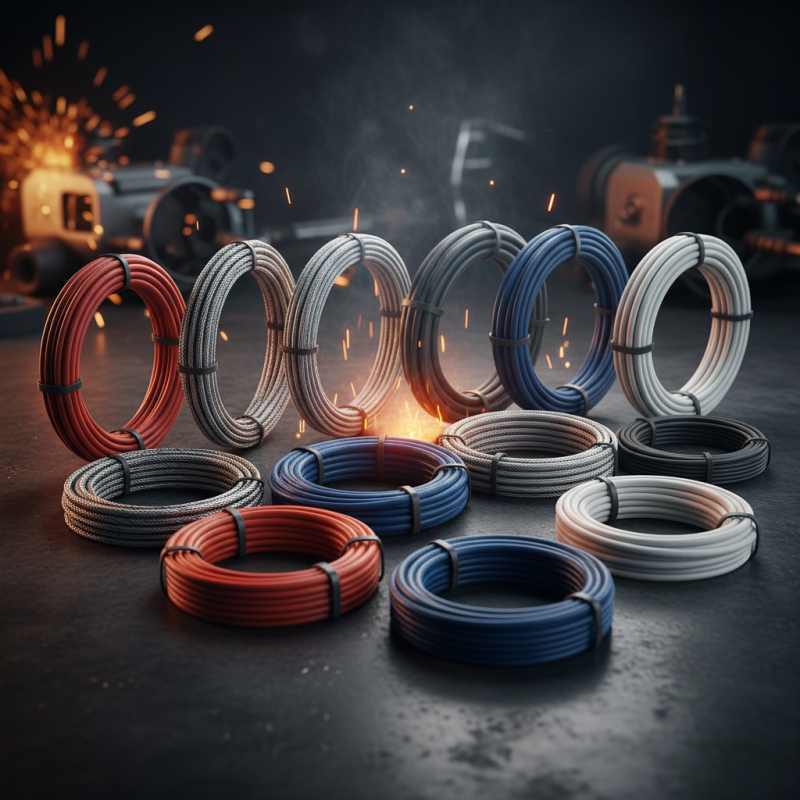
High temperature wires are essential in industries facing extreme heat. They must withstand intense conditions. Copper, for example, has excellent conductivity but can struggle under high heat. This can lead to wire failure and malfunction. Reports suggest that materials like silicone rubber or PTFE are superior alternatives. These materials maintain flexibility, even at elevated temperatures.
Another critical player is fiberglass-insulated wire. It can resist temperatures over 200°C without significant degradation. In aerospace and automotive applications, this characteristic is invaluable. However, many users still overlook the importance of proper insulation. A wire with poor insulation can lead to safety hazards. Additionally, not all wires can handle both mechanical stress and high temperatures. This poses a potential risk during installation.
When choosing high-temperature wire, understanding environmental factors is crucial. Chemical exposure can weaken certain materials, leading to premature failure. Despite their benefits, even the best wires have limits. Industry reports indicate that insulation integrity can decline with time and exposure. Thus, regular inspection and maintenance remain vital for long-term reliability. Users must consider the specific requirements of their applications seriously.
| Wire Type | Max Temperature (°C) | Insulation Material | Key Characteristics | Applications |
|---|---|---|---|---|
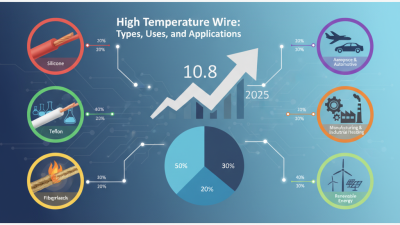
| Silicone Wire | 200 | Silicone Rubber | Flexible, resistant to heat and moisture | Automotive, aerospace, medical devices |
| PTFE Wire | 260 | PTFE (Teflon) | Self-extinguishing, excellent chemical resistance | High-performance electronics, military applications |
| Glass Fiber Wire | 450 | Glass Fiber | Exceptional heat resistance, strong and durable | Industrial equipment, ovens, and kilns |
| Kapton Wire | 400 | Kapton Polyimide | Excellent electrical properties and heat resistance | Aerospace, military, and flexible circuits |
| Mineral Insulated Copper Wire | 1500 | Mineral Insulation | Robust and resistant to fire and moisture | Power plants, industrial ovens, and furnaces |
| HMWPE Wire | 90 | High Molecular Weight Polyethylene | Good mechanical strength and chemical resistance | Robotics, industrial installations |
| Fiberglass Wire | 700 | Fiberglass | High flexibility and temperature resilience | Heating systems, kilns, and high-temperature electronics |
| Ceramic Wire | 1500 | Ceramic Insulation | Highly stable in extreme conditions | High-temperature applications, furnaces |
| PVC Wire | 70 | Polyvinyl Chloride | Versatile and economical | General wiring, internal applications |
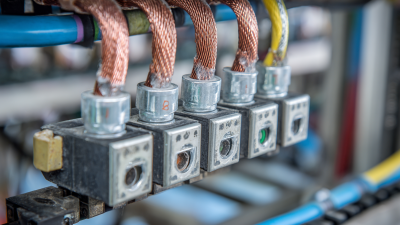
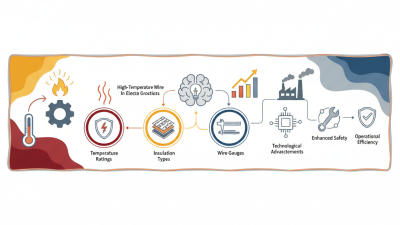
When selecting wires for extreme heat applications, understanding thermal performance ratings is crucial. These ratings define how much heat a wire can withstand while maintaining its integrity. Different materials exhibit varying thermal characteristics. Could copper be better than aluminum in high-temperature environments?
Wire specifications often indicate temperature limits, but these values can be misleading. Real-world conditions can affect performance. For instance, excess vibrations or mechanical stress can impact the wire’s lifespan. Evaluating the environment is essential for optimal wire selection. The insulation type also plays a vital role, influencing both flexibility and heat resistance.
Standards for high-temperature wires exist, but not all wires meet the same criteria. It’s essential to delve into the specific application and potential exposure to extreme conditions. Specifying the right wire requires careful consideration. Are we fully aware of the unique challenges presented in our specific environments? Therefore, it pays off to conduct thorough research and reflect on our selections.
When working in extreme heat applications, choosing the right high temperature wire is crucial. High temp wires endure intense environments. They prevent insulation breakdown and maintain performance. Applications include aerospace, automotive, and industrial machinery. These sectors demand reliability and durability. Not all wires perform equally under stress.
Several materials are commonly used for high temp wires. Silicone rubber provides flexibility and thermal stability. PTFE is resistant to chemicals and extreme temperatures. Fiberglass offers good mechanical strength. There’s often a trade-off between flexibility and resistance. A wire may perform well in one scenario but fail in another.
In evaluating these options, it's essential to consider the specific needs. What are the conditions? Will the wire be exposed to mechanical stress? Each application has unique requirements. An approach that works well for one might not suffice for another. Testing and observation can reveal undiscovered weaknesses. Constantly reassessing performance under pressure is vital. Understanding limitations is part of the process.
High temperature wires play a vital role in various industries. They withstand extreme heat without compromising their performance. These wires are essential in aerospace and automotive applications. They ensure safety and reliability under challenging conditions. For example, in an aircraft, wires must resist temperatures that can exceed 1,000°F. Engineers rely on these wires to maintain functionality.
In addition to aerospace, high temperature wires are crucial in manufacturing. Industries use them in furnaces and kilns. Heat-resistant insulation helps keep systems running smoothly. However, sourcing the right material can be challenging. It requires careful consideration of the environment. Selecting wires with the proper resistance and flexibility is key.
Problems can arise from incorrect choices. Wires that fail can lead to equipment malfunctions. These failures are costly and can cause project delays. Each industry has distinct needs for high temperature wires. Adapting wires to specific conditions is essential. Understanding these applications can help in making informed decisions.
When budgeting for high temp wires, several factors come into play. Extreme heat applications require durable materials. The cost varies significantly based on the type of wire chosen. Copper and aluminum wires are commonly used, but specialty materials like silicone and PTFE can be pricier. A detailed comparison of options can reveal hidden costs.
Installation and maintenance can add up too.
Often, buyers overlook these additional expenses.
Spending less initially may lead to higher repair costs later.
It's essential to balance upfront costs with long-term reliability.
Conducting a thorough cost analysis helps avoid surprises.
Sometimes, the cheapest option isn't the best for heat resistance. Investing in quality high-temp wires can save money in the long run.
Understanding your specific needs is crucial. Not every application requires the highest-grade wire. Evaluate the environment and operational demands. This reflective approach can lead to smarter budgeting decisions.
In the world of high temp applications, knowledge is as valuable as your budget. Always be ready to adapt your plans based on real-world requirements and feedback.
At Radix, we do more than sell products; we provide solutions. We take the time to learn about each customer and your unique challenges, and then our knowledgeable team of problem solvers works to educate you on the possibilities to improve your products or operations.
From cutting-edge technology applications to extreme industrial environments, we’re here to collaborate, innovate, and elevate your success. Let’s connect.