How to Choose the Right Wire Cable for Your Project?
Choosing the right wire cable is crucial for any project. As industry expert Ryan Taylor states, "The wrong wire can lead to failures." Wire cables vary widely in type and application. Understanding these differences is vital.
When selecting a wire cable, consider its intended use. Different projects require different specifications. For instance, low voltage applications might benefit from lightweight cables. On the other hand, high-powered devices need robust, insulated wires. The choices can be overwhelming, leading to mistakes.
One often overlooked aspect is the cable’s environment. Factors like temperature, moisture, and wear can affect performance. Even minor oversights can result in costly issues down the line. Reflecting on previous experiences can help, but it also highlights the complexities involved. Selecting a wire cable is not just about picking one; it’s about understanding your project's unique demands.
Types of Wire Cables and Their Applications
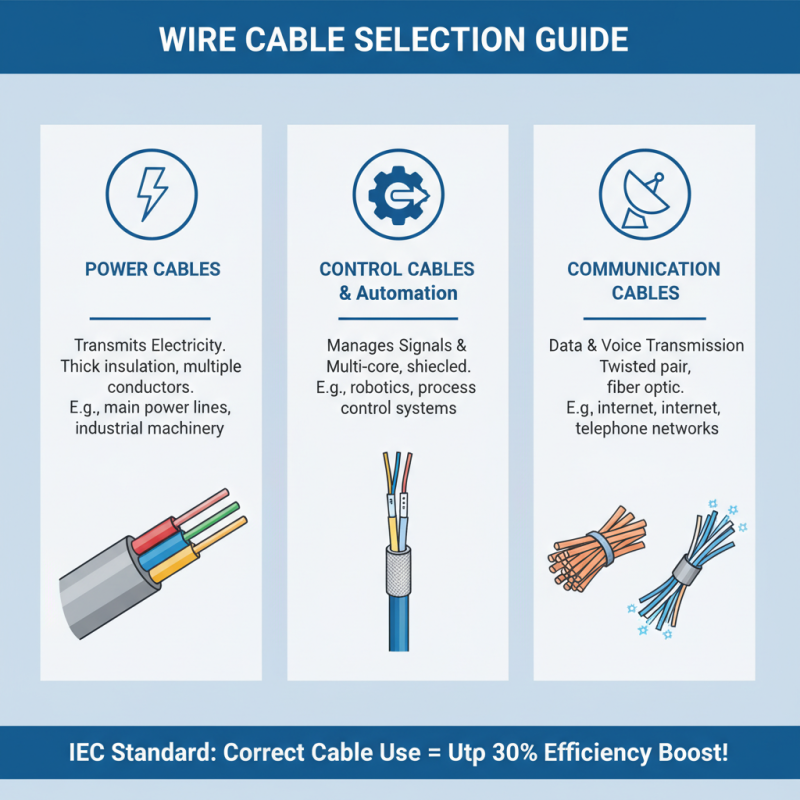
When selecting a wire cable, understanding the types available is crucial. There are several categories, including power cables, control cables, and communication cables. Power cables transmit electricity, while control cables manage signals in equipment. Each type serves specific purposes essential for project success. According to the International Electrotechnical Commission, using the correct cable can enhance efficiency by up to 30%.
Power cables often withstand harsh conditions. They are made from durable materials that resist environmental factors. For example, thermoplastic insulation provides protection against heat and moisture. Control cables, however, are more flexible and suited for dynamic applications. They may not always handle extreme conditions as well. Misjudging these factors can lead to project delays.
Communication cables, like coaxial and fiber optic, are vital for data transmission. Fiber optic cables can transfer data over long distances with minimal signal loss. This quality makes them ideal for high-speed networks. Yet, the cost of fiber optics can be a drawback. Project managers need to weigh performance against budget. Choosing the right type means considering both immediate needs and future expansions. Making an informed decision is key to project longevity.
Factors to Consider When Choosing Wire Cables
Choosing the right wire cable can significantly impact your project's efficiency and safety. Several factors must be evaluated to ensure you make an informed choice. One key consideration is voltage and current capacity. Overloading a wire can lead to overheating. According to the National Electrical Code (NEC), specific wire gauges accommodate specific load limits. For example, a 14 AWG wire typically handles up to 15 amps safely.
Another crucial factor is insulation type. Different materials serve unique environments. PVC insulation is suitable for general purposes, while THHN is preferred for high-temperature applications. In a recent industry report, it was noted that insulation failures account for about 30% of electrical faults. Thus, selecting the right insulation is essential.
Environmental conditions also play a critical role. Wet or corrosive environments require specialized cables. Cables used outdoors need UV protection. A study cited that over 40% of cable failures occur due to environmental exposure. Regularly assessing these conditions can prevent unexpected issues. It's easy to underestimate these elements. However, they directly influence not just performance, but also safety and longevity.
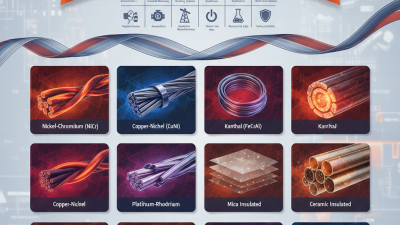
Wire Cable Types Comparison
Understanding Wire Gauge and Its Importance
Choosing the right wire gauge is crucial for any electrical project.
Wire gauge refers to the thickness of the wire. Thicker wires can handle more current. This means less risk of overheating.
Understanding the relationship between wire gauge and current capacity is essential.
When dealing with electrical components, the wire gauge impacts performance significantly. If the wire is too thin, it may not transmit power effectively.
This often leads to overheating and could potentially cause a fire.
On the other hand,
using a wire that is too thick might be unnecessarily costly. It’s important to align the wire gauge with the project requirements.
Reflect on your project's needs. Specialized projects may require specific gauges for optimal performance.
Sometimes you may choose a gauge based on convenience. However, this could lead to issues during operation.
Assess the overall power needs and environmental conditions.
Balancing safety and functionality can be challenging but crucial for success.
Insulation Materials and Their Impact on Performance
When selecting wire cables, insulation materials play a critical role in performance. Different types of insulation offer unique properties. For example, PVC is common for its affordability and versatility. However, it may not withstand high temperatures or harsh environments. If your project is in a demanding setting, you might consider silicone or Teflon. These materials provide better thermal resistance but may come at a higher cost.
The impact of insulation goes beyond durability. It also affects electrical performance. Poor insulation can lead to signal degradation. This is especially important in audio and data applications. Choosing the right material can improve efficiency and reduce energy loss. Yet, many overlook this factor, focusing instead on gauge or length.
Reflecting on your needs can help. Consider environmental factors and conditions. Do you need flexibility, or is rigidity more important? This thought process can make a big difference. It’s easy to rush into decisions, but careful consideration of insulation can enhance your project’s outcome significantly. Each project is unique, and so are its requirements.
Common Mistakes to Avoid When Selecting Wire Cables
When selecting wire cables, many overlook important factors that could lead to errors. A common mistake is focusing solely on the cable's capacity without considering the environment where it will be used. For example, heat and moisture levels can greatly affect performance. A report by the Electrical Safety Foundation International states that improper use of wiring can lead to over 50,000 electrical fires a year. Ignoring these environmental factors could prove costly and dangerous.
Another frequent error is mismatching cable types to their intended purpose. Some voltage applications require specific insulation ratings. Using a standard cable instead of a specialized one can result in breakdowns or failures. According to a study by the International Electrotechnical Commission, misapplications of wire cables account for a significant portion of equipment failures in industrial settings. Always check that the insulation rating matches your project's requirements.
Tip: Always test your environment for extremes in temperature and humidity. This ensures the cable you choose will withstand the conditions.
Tip: Understand the electrical specifications thoroughly. If in doubt, consulting a professional could save you time and money.
Choosing wisely requires diligence. Learn from others' mistakes to make a better choice for your project.