Why Choose Copper Cable for Your Wiring Needs?
When it comes to wiring needs, many options exist. However, copper cable stands out as an exceptional choice. Its reliability and efficiency make it popular among professionals and DIY enthusiasts alike. Copper cables provide excellent conductivity, which translates to improved performance across various applications.
One cannot overlook the durability of copper cable. Unlike other materials, copper resists corrosion, ensuring a longer lifespan. This saves time and resources in repairs and replacements. Moreover, copper cables are flexible, making installation easier in tight spaces or complex layouts.
Still, some may question the cost of copper. While it is often pricier than alternatives, the long-term benefits can outweigh the initial investment. Users have to consider whether they value durability and efficiency over upfront savings. Ultimately, copper cable remains a worthy option to explore for your wiring needs.
Benefits of Using Copper Cable in Electrical Wiring
Copper cable is a popular choice for electrical wiring due to its many benefits. One major advantage is its excellent conductivity. According to industry reports, copper wires have a conductivity rating of 97%, allowing for efficient energy transfer. This means less energy wasted as heat, which can lower electricity costs over time.
Additionally, copper cables are durable and resistant to corrosion. They can withstand higher temperatures compared to other materials. This resilience makes copper ideal for various environments, from residential homes to industrial applications. However, copper's cost can be a drawback. It is often more expensive than alternatives like aluminum.
Despite this, many experts argue that the long-term benefits justify the initial investment. A study by the International Wire and Cable Association indicates that using copper can lead to a 25% reduction in maintenance costs over time. This reflects the importance of considering both immediate and future needs in wiring decisions. Copper offers reliability, durability, and cost-effectiveness through its long lifespan.
Comparative Analysis: Copper vs. Other Wiring Materials
When it comes to wiring, the choice of material is crucial. Copper cable stands out due to its excellent conductivity. Copper wires transmit electrical currents with minimal resistance. This means less energy loss, making them efficient for both residential and industrial applications. In many cases, that efficiency can translate into lower energy bills.
Comparatively, aluminum wiring offers a cheaper alternative. However, it has its downsides. Aluminum is less conductive, meaning it requires larger gauges to handle the same load. This can lead to higher installation costs. Also, aluminum connections can create additional heat, raising safety concerns. While fiber optics are great for data, they lack the versatility needed for standard electrical wiring.
Polymer cables are lightweight but often fall short in terms of durability. They can become brittle over time, especially in extreme temperatures. In contrast, copper maintains its integrity under various conditions. Still, the environmental impact of copper mining should not be ignored. Each choice has its pros and cons, making the decision complex.
Comparative Analysis of Wiring Materials: Copper vs. Aluminum vs. Fiber Optic
Durability and Longevity of Copper Cables in Various Applications
Copper cables are renowned for their impressive durability and longevity. In various applications, their reliability stands out. They can withstand harsh environmental conditions, making them ideal for outdoor use. Extreme temperatures, moisture, and UV exposure won't compromise their integrity easily. This resilience leads to lower maintenance costs over time.
In industrial settings, copper cables effectively handle heavy electrical loads. Their excellent conductivity ensures efficient energy transfer. However, they can be prone to physical damage if not properly installed. Over time, wear and tear might occur, especially in high-movement areas. Regular inspections can help avoid unexpected failures.
For residential wiring, copper cables provide safety and reliability. Their ability to handle surge currents protects sensitive electronics. Yet, installation requires care and expertise. A well-installed copper cable can last for decades, but poor workmanship can lead to issues. Caution in handling and installing is crucial to maximize their benefits.
Cost-Effectiveness of Copper Wiring for Long-Term Use
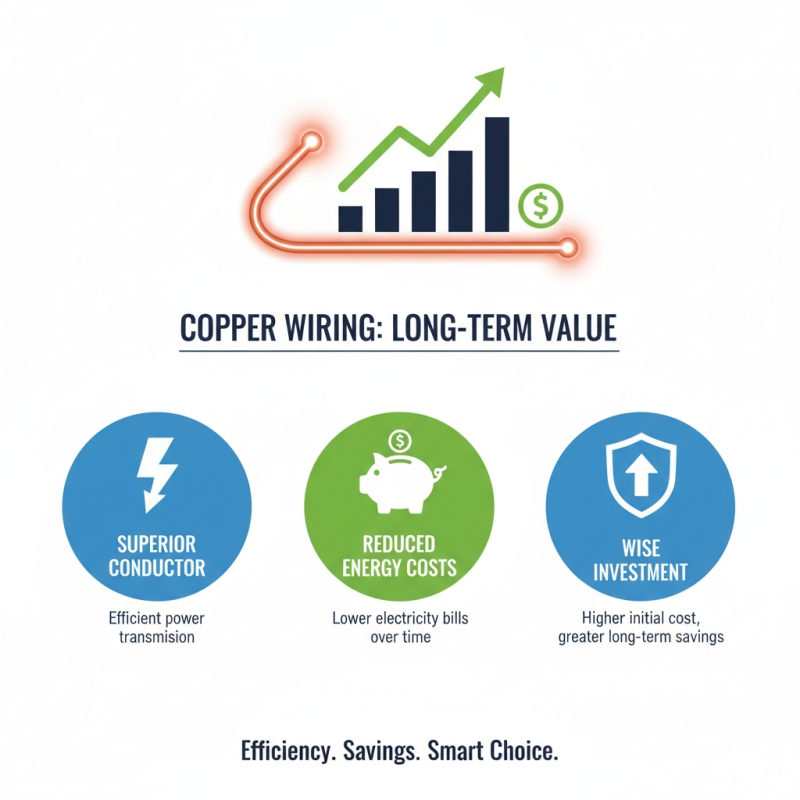
Copper wiring stands out for its long-term cost-effectiveness. While the initial investment might be higher than alternatives, the benefits quickly emerge. Copper is an excellent conductor of electricity. This means it can transmit power efficiently and reduce energy costs over time. When you consider total energy bills, copper proves to be a wise choice.
In addition to its efficiency, copper wiring has remarkable durability. It withstands corrosion and extreme temperatures better than many other materials. This resilience translates into fewer repairs and replacements, further saving money in the long run. Some might argue about its initial cost. However, looking at the lifespan and reliability, those concerns often diminish. Quality cables lead to fewer outages and disruptions.
Choosing copper also reflects a commitment to sustainability. Fewer replacements mean less waste and a lower environmental impact. This reflects an awareness of future generations. Remember, though, that installation quality matters. Poorly installed wiring can negate copper's advantages. The balance of cost, durability, and sustainability makes copper an appealing option.
Environmental Impact and Recycling of Copper Cables
Copper cables are known for their efficiency and durability, but their environmental impact is often overlooked. The production process involves mining, which disrupts ecosystems and requires significant energy. This raises concerns about habitat destruction and pollution. Recycling copper cables offers a solution to this problem. It significantly reduces waste and conserves natural resources.
Recycling is essential, yet many are unaware of the proper methods. Old cables can end up in landfills, which is a waste of valuable materials. When recycled, copper retains its quality, making it suitable for future use. The process may not be seamless, and contamination can make recycling challenging.
There are initiatives to improve awareness and facilities for cable recycling. Engaging with community programs can make a difference. Some people still hesitate, unsure of where or how to recycle. Education is key to fostering responsible practices. The journey of copper cables involves both challenges and opportunities for a sustainable future.
Why Choose Copper Cable for Your Wiring Needs? - Environmental Impact and Recycling of Copper Cables
| Feature |
Copper Cables |
Alternatives |
| Conductivity |
Excellent electrical conductivity, reducing energy loss |
Lower conductivity, resulting in higher energy losses |
| Durability |
Highly resistant to corrosion and lasting performance |
Less resistant, may degrade faster |
| Environmental Impact |
Recyclable, reduces waste and energy consumption |
Often non-recyclable, contributes to landfill waste |
| Electrical Resistance |
Low resistance, enhancing efficiency |
Higher resistance, reducing efficiency |
| Cost |
Generally higher initial cost but lower long-term costs |
Lower upfront cost but higher operational costs |