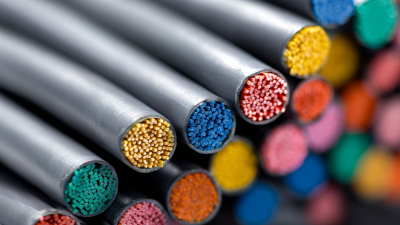
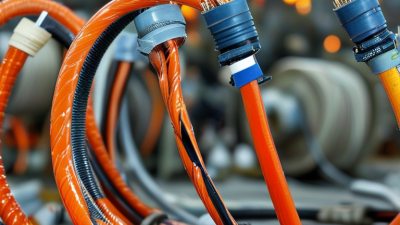
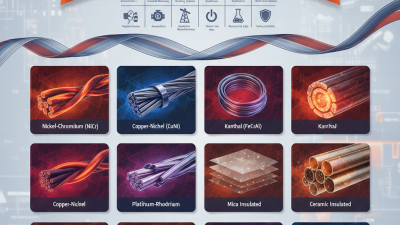
China is a major sourcing base for hook up wire, but “best” depends on application, certification, and supplier discipline. A control cabinet, medical device, and aircraft panel need different insulation, temperature, voltage, and flexibility requirements. The lowest quotation may look attractive. It may also hide costly compromises.
Dr. Charles A. Harper, an electronics interconnection specialist, states, “Reliability is designed in, not inspected in.” That principle matters when comparing Chinese manufacturers. Global buyers should review conductor stranding, copper purity, insulation thickness, color consistency, and print legibility. UL Style 1007, 1015, and 1569 are common references, but the correct style must match the end use. CSA recognition, RoHS and REACH documentation, and laboratory test reports add useful confidence. They do not replace technical judgment.
A dependable supplier should provide traceable batch records, clear production tolerances, and samples from regular manufacturing lines. Ask for flame-test evidence, temperature ratings, voltage ratings, and conductor resistance data. Check whether the factory can maintain stable insulation diameter across long production runs. Small variations matter. They affect stripping, crimping, and terminal fit.
This guide examines how global buyers can evaluate China hook up wire beyond price and polished catalogs. Factory audits, sample verification, and shipment inspections deserve attention. So does communication. A technically capable factory may still create delays through unclear drawings or weak change control. No supplier is perfect. Buyers should question impressive claims, confirm every certificate, and leave room for independent testing before approving large orders.
China Best Hook-Up Wire for Global Buyers?
What Is Hook-Up Wire and Why Does It Matter for Global Buyers?
Hook-up wire is a single insulated conductor used inside electrical equipment. It connects circuits, terminals, switches, and control components. Unlike flexible cable assemblies, it is usually designed for internal wiring. Its value comes from predictable performance in tight spaces and demanding environments.
Small details matter. For global buyers, conductor material, insulation type, temperature rating, voltage rating, and wire size affect product safety. A wire rated for heat may still perform poorly under repeated bending. The outer insulation also needs suitable resistance to abrasion, oils, moisture, and flame. These requirements vary by equipment and destination market.
In practical sourcing, buyers should request clear specifications, test reports, production samples, and traceability records. I have learned that a low price can hide inconsistent insulation thickness or unclear material data. That assumption can be wrong. One shipment may pass inspection, while later batches show color variation or weaker flexibility. Ask for batch-level quality records, dimensional checks, and conductor resistance results. Confirm whether certificates match the exact construction being supplied. A reliable supplier should explain deviations openly, not simply promise “best quality.”
| Data Dimension | Verified Technical Data | Why It Matters to Global Buyers | Recommended Buyer Check |
|---|---|---|---|
| Product Definition | Hook-up wire is a single-conductor insulated wire used mainly for internal electrical connections in appliances, control panels, electronic equipment, lighting products and machinery. | It is generally intended for internal wiring rather than direct burial, permanent outdoor exposure or general-purpose building installation. | Confirm whether the required product is internal hook-up wire, appliance wiring material or a building wire before ordering. |
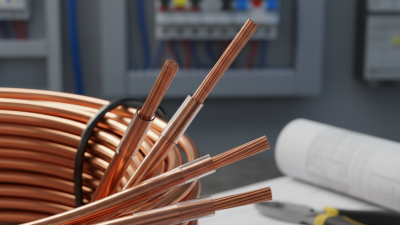
| Conductor Material | Common conductors are stranded or solid copper. Bare copper offers high conductivity, while tin-plated copper provides improved resistance to oxidation and easier solderability. | Conductor construction affects flexibility, termination performance, corrosion resistance and long-term electrical reliability. | Specify copper type, strand construction, conductor class and nominal cross-sectional area or AWG size. |
| Common Size Range | Common hook-up wire sizes include approximately 30 AWG to 10 AWG, although the practical range depends on the applicable standard and application. | Wire size influences current-carrying capability, voltage drop, flexibility, connector compatibility and panel space. | Do not select size by appearance alone; verify electrical load, installation conditions, allowable temperature and applicable electrical code. |
| UL Style 1007 | Typical rating: 300 V and 80°C. It commonly uses PVC insulation for internal electronic and appliance wiring. | This style is widely used for low-voltage internal connections but is not interchangeable with higher-voltage or higher-temperature constructions. | Check the printed wire marking, conductor size, insulation thickness and required temperature rating. |
| UL Style 1015 | Typical rating: 600 V and 105°C. It commonly uses PVC insulation and is used for internal equipment and appliance wiring. | The higher voltage and temperature ratings may be required in control cabinets, industrial equipment and appliances. | Confirm that the complete construction, not only the insulation material, meets the required 600 V and 105°C rating. |
| UL Style 1569 | Typical rating: 300 V and 105°C. It is commonly used as appliance wiring material and internal equipment wire. | It can provide a higher temperature rating than many general-purpose 300 V constructions. | Verify the exact style number and whether the end product requires an appliance wiring material recognition or certification. |
| UL Style 1061 | Typical rating: 300 V and 80°C. It is commonly manufactured with PVC insulation for internal electronic wiring. | Its thin-wall construction may save space, but it may not provide the same mechanical protection as thicker insulation. | Check minimum insulation thickness, abrasion requirements, bend radius and terminal compatibility. |
| IEC 60227 PVC Wire | Relevant IEC 60227 constructions commonly use PVC insulation and may be rated up to 300/500 V, with the exact voltage, flexibility and temperature requirements defined by the specific part. | IEC-based requirements are often used in markets outside North America and may differ from UL style requirements. | Identify the exact IEC 60227 part and conductor class instead of requesting only “IEC hook-up wire.” |
| Insulation Materials | Common materials include PVC, cross-linked PVC, polyethylene-based compounds, silicone rubber and fluoropolymer materials. | Insulation selection affects temperature resistance, flexibility, chemical resistance, flame performance, wall thickness and cost. | Match the insulation compound to heat, oil, chemicals, abrasion, bending and flame requirements in the final application. |
| Voltage Rating | Common hook-up wire ratings include 150 V, 300 V and 600 V, depending on the applicable style or standard. | A wire with an insufficient voltage rating can create safety and compliance risks even when its conductor size is adequate. | Confirm operating voltage, transient conditions, insulation system and the market-specific safety standard. |
| Temperature Rating | Common ratings include 80°C and 105°C for PVC-insulated constructions; specialty materials can support higher temperatures when specifically designed and certified for that use. | Temperature rating applies to the wire construction and should be evaluated together with ambient temperature, current load and heat from nearby components. | Request the certified temperature rating and verify whether it applies to continuous operation or a specific test condition. |
| Flame Performance | Flame performance depends on the complete wire construction, insulation compound and applicable test method. Common requirements may include vertical or horizontal flame tests. | Flame requirements can differ between appliance, electronic, industrial and transportation applications. | Specify the required flame test or end-product standard rather than using a general term such as “flame-retardant wire.” |
| Flexibility | Stranded conductors are generally more flexible than solid conductors. Finer stranding improves bendability but can affect termination and cost. | Flexibility matters in moving assemblies, compact control cabinets, vibration-prone equipment and repeated installation work. | Define conductor class, strand diameter, minimum bend radius and whether repeated flexing is required. |
| Color Identification | Common colors include black, white, red, blue, green, yellow and green/yellow. Color coding is normally selected according to the equipment design and local wiring practice. | Correct color identification reduces wiring errors and supports inspection, maintenance and troubleshooting. | Provide a color schedule and confirm whether green or green/yellow must be reserved for protective earth according to the target market. |
| Marking and Traceability | Typical markings may include manufacturer identification, wire type or style, voltage rating, temperature rating, conductor size and certification marks where applicable. | Clear marking supports incoming inspection, installation verification and regulatory documentation. | Request a marking sample, production lot identification and documentation showing that the marking matches the tested construction. |
| Electrical Performance | Important characteristics include conductor resistance, insulation resistance, dielectric withstand, capacitance where relevant and continuity. | These properties help control voltage drop, leakage risk, insulation breakdown and signal performance. | Define test methods, acceptance limits, sample quantity and whether testing is required on every production lot. |
| Current-Carrying Capability | Allowable current is not determined by AWG or cross-sectional area alone. It depends on insulation temperature, ambient temperature, installation method, bundling, conductor spacing and applicable code. | Using a simple size-to-ampacity chart without considering installation conditions may lead to overheating or non-compliance. | Have the final equipment designer or qualified engineer determine ampacity for the actual installation. |
| Environmental Compliance | For many international markets, buyers may request RoHS declarations, restricted-substance information and REACH-related information. These requirements concern materials and substances, not only electrical ratings. | Environmental documentation may be required for customs, customer approval, product assembly or market access. | Request current declarations, test reports where required and material information for insulation, conductor plating and additives. |
| Quality Documents | Common documents include technical datasheets, certificates of conformity, routine test records, material declarations, test reports and packing specifications. | Complete documentation reduces approval delays and helps buyers compare technically equivalent products. | Ensure the documents identify the exact wire construction, size, rating, standard, revision and production date. |
| Packaging and Export Handling | Hook-up wire is commonly supplied in coils, spools or reels. Packaging should protect the insulation from crushing, moisture, contamination and excessive heat during transport. | Improper packaging can cause deformation, tangling, insulation damage and measurement disputes after delivery. | Specify reel dimensions, net and gross weight, length tolerance, moisture protection, labels and pallet requirements. |
| Buyer Selection Priority | The most important selection factors are applicable standard, voltage rating, temperature rating, conductor size, conductor construction, insulation material, flexibility, flame performance and documentation. | Lowest unit price does not guarantee compliance, service life or compatibility with the finished product. | Compare suppliers using the same technical specification, test requirements, tolerances and documentation checklist. |