Top 10 Benefits of Using Silicone Wire for Your Electrical Projects?
In the world of electrical projects, choosing the right materials is essential. Silicone wire is gaining popularity for various reasons. Its flexibility and heat resistance set it apart from traditional wire types.
Many hobbyists and professionals prefer silicone wire. It can withstand high temperatures without losing its properties. The durability of silicone wire makes it ideal for demanding environments. Projects involving robotics, RC vehicles, or even home electronics benefit from this versatility.
One must also consider its drawbacks. While silicone wire offers numerous benefits, it can be more expensive than standard wire. Budget-conscious projects may feel the pinch. Yet, the advantages often outweigh this concern. Investing in quality silicone wire can lead to long-term savings and enhanced project performance.
Advantages of Flexibility in Silicone Wire for Electrical Applications
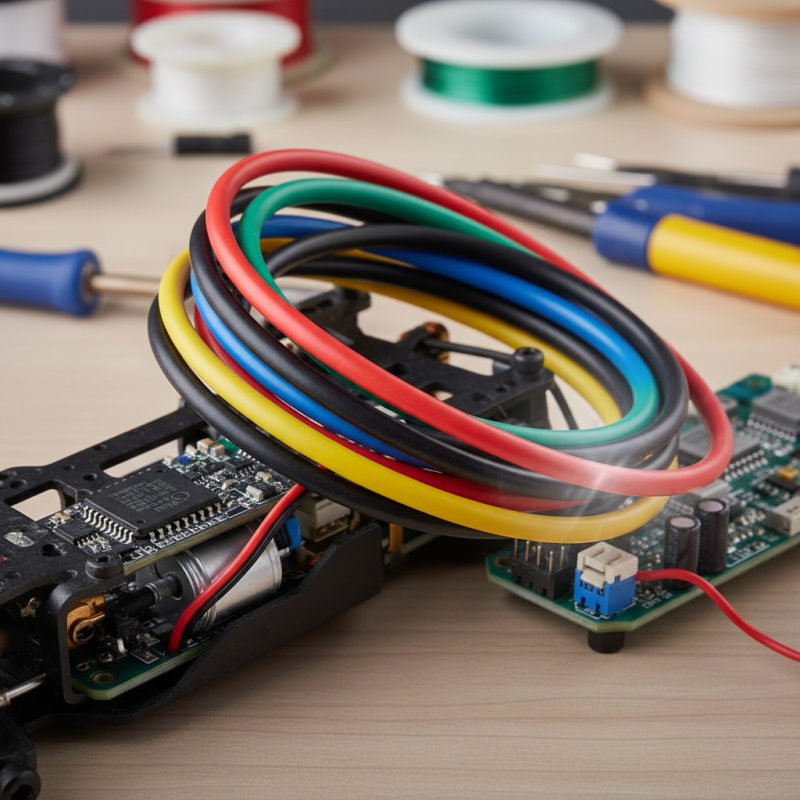
Silicone wire has gained popularity among hobbyists and professionals alike. One key advantage is its incredible flexibility. This flexibility allows it to bend easily, adapting to complex layouts. You can weave it through tight spaces without fear of breakage. Projects remain neat and organized with silicone wire, enhancing their overall appearance.
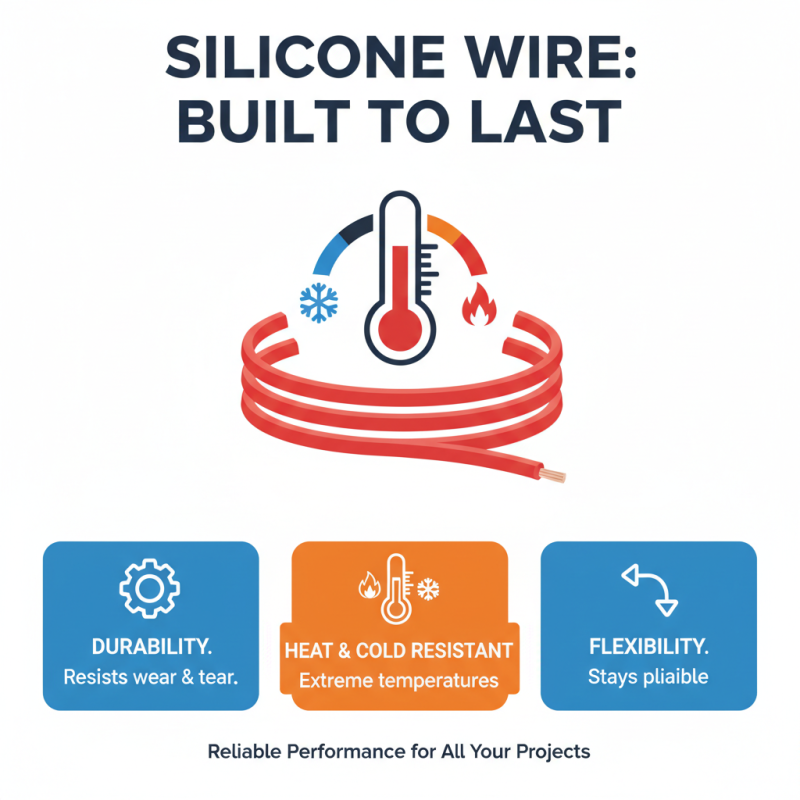
In addition, silicone wire withstands extreme temperatures. This feature makes it suitable for various environments. Whether working on indoor or outdoor projects, silicone wires hold up well. They resist wear and tear better than traditional wiring. However, this durability should not breed complacency. Always check for frays or signs of damage before use. Even flexible wire can develop weaknesses if not handled properly.
Durability and Heat Resistance of Silicone Wire Compared to Other Wires
Silicone wire has gained popularity due to its impressive durability and heat resistance. Unlike traditional wires, silicone wire can withstand extreme temperatures. It remains flexible even in freezing conditions. This flexibility is essential for many electrical projects, ensuring reliable performance.
Moreover, silicone wire offers excellent insulation properties. It is less prone to fraying or breaking, which can be a drawback of other types of wires. However, it’s worth noting that silicone wire may not be the best choice for every project. Some users find it challenging to strip or connect, which requires additional effort or tools.
In high-temperature environments, silicone outperforms PVC or rubber wires. It can handle heat without melting or degrading. This makes it ideal for projects involving motors or electronics that generate significant heat. Still, some might argue that its cost can be a deterrent. Balancing budget and performance is often necessary in project planning. Choosing the right type of wire can be pivotal for safety and functionality.
Electrical Insulation Properties of Silicone Wire Explained
Silicone wire is a popular choice for electrical projects due to its excellent insulation properties. The silicone material provides high resistance to heat, making it suitable for areas exposed to extreme temperatures. It can withstand continuous exposure to temperatures ranging from -60°C to 200°C. This durability ensures the longevity of your electrical connections.
Another key advantage of silicone wire is its flexibility. Unlike traditional wires, silicone wire can bend easily without breaking. This flexibility makes it easier to work in tight spaces or around obstacles. However, one must be careful while handling it, as excessive bending can lead to wear over time. The wire's softness can also attract dirt and dust, which necessitates periodic cleaning.
Furthermore, silicone wire offers resistance to water and chemicals. This makes it ideal for outdoor projects or environments with harsh conditions. However, while these properties are beneficial, users should always check compatibility with specific applications. Not all projects may require the robust features of silicone wire, and sometimes, simpler solutions could be more effective.
Top 10 Benefits of Using Silicone Wire for Your Electrical Projects
Ease of Handling and Installation of Silicone Wire in Projects
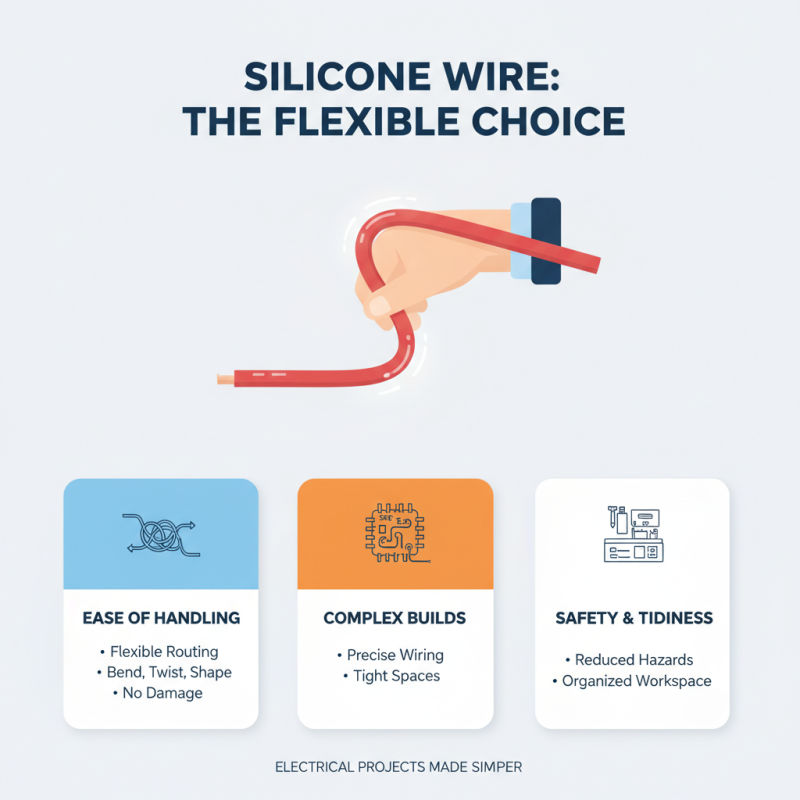
Silicone wire has become popular in electrical projects due to its ease of handling. The flexibility of silicone makes it simple to route through tight spaces. Workers can bend, twist, and shape the wire without fear of damaging it. This is especially useful in complex builds, where precise wiring is crucial. It keeps the workspace tidy, reducing potential hazards.
Installation is quick and typically requires minimal tools. The color-coded insulation aids in identifying different wires easily. This color distinction can speed up the assembly process. However, some may find the softness of silicone challenging. It can feel overly pliable. For those who prefer rigidity, this might require some adjustment. Yet, with practice, using silicone wire can lead to more polished results.
Moreover, silicone wire remains resilient under stress. It can withstand high temperatures and harsh conditions. This durability ensures that connections remain stable over time. Mishaps do happen, though. A too-tight bend can cause unseen damage. Regular checks can help mitigate these risks. Overall, silicone wire simplifies installation and boosts project efficiency while demanding attention to detail.
Safety Considerations When Using Silicone Wire in Electrical Work
When working with silicone wire for electrical projects, safety should be a top priority.
Silicone wire is known for its flexibility and resistance to heat. However, improper handling can lead to risks. Always inspect wires for damage before use.
Frayed or cut wires can pose serious electrical hazards.
Tips: Use wire strippers carefully. Avoid cutting too deep to prevent damaging the wire.
Practice stripping on spare pieces first.
Ensure your workspace is free of clutter. This reduces the chance of accidents. Wear appropriate protective gear,
such as gloves and goggles. They can protect you from shock or injury. If you're new to electrical work, consider watching tutorial videos for guidance.
Keep in mind that silicone wire is durable but not invincible. Overloading the wire can lead to overheating. It’s crucial to match the wire gauge
to the project's requirements. Regularly check connections to ensure they are secure. Loose connections can cause sparks and fires.